
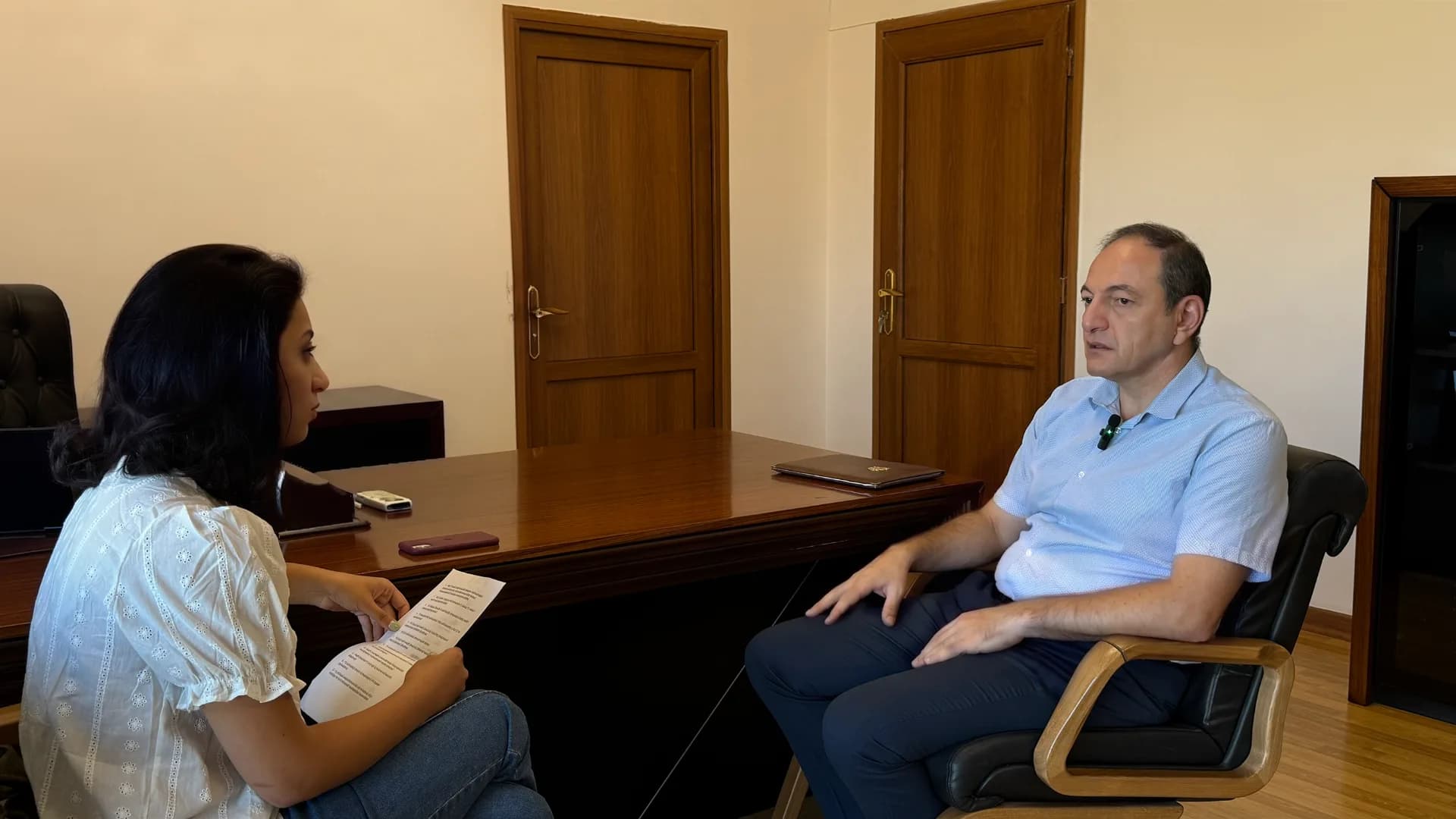
Samvel Kharazyan’s Interview with Banks.am: Results of the First Six Months of the Universal Health Insurance System Summarized
In an interview with Banks.am, Samvel Kharazyan, Acting Director General of the Universal Health Insurance Fund, presented the results of the first six months following the introduction of the system. According to him, out of more than 1.8 million beneficiaries, approximately 762,000 have already accessed the medical services provided, while the total amount reimbursed has reached around AMD 103 billion. Citizens have made use of nearly the full range of services included in the package, from primary consultations and medicines to complex surgeries and cancer treatment.
Addressing the key indicators and trends, Samvel Kharazyan noted that the utilization rate among citizens aged 18–64 earning more than AMD 200,000 per month was twice as high as initially forecast. This demonstrates that, once the financial barrier was removed, people began to actively address their healthcare needs.
According to Mr. Kharazyan, addressing health problems in a timely manner prevents diseases from progressing and reduces the risk of disability, thereby preserving citizens’ ability to work and reducing the state’s future expenditures.
The highest demand has been recorded for services related to cardiovascular diseases, diabetes, and eye conditions. The system places significant emphasis on preventive examinations (screenings) and their effective treatment within primary healthcare facilities (outpatient clinics).
According to Samvel Kharazyan’s assessment, the financial situation of the system remains under control. To mitigate potential deviations and risks, a special reserve fund is in place, equivalent to 10% of the contributions collected.
Speaking about the next steps, Samvel Kharazyan emphasized that the key strategic objective for the coming period is to prepare for the next stages of the system’s expansion. These stages will include all employees, including those working under civil-law contracts, individuals with passive income, taxi drivers (starting in 2027), as well as other family members. The data collected during the first months will make it possible to accurately assess expenditures and prepare for the expansion of the system.