
The Reimbursement Process and Access to Specialized Services in the Universal Health Insurance (UHI) System
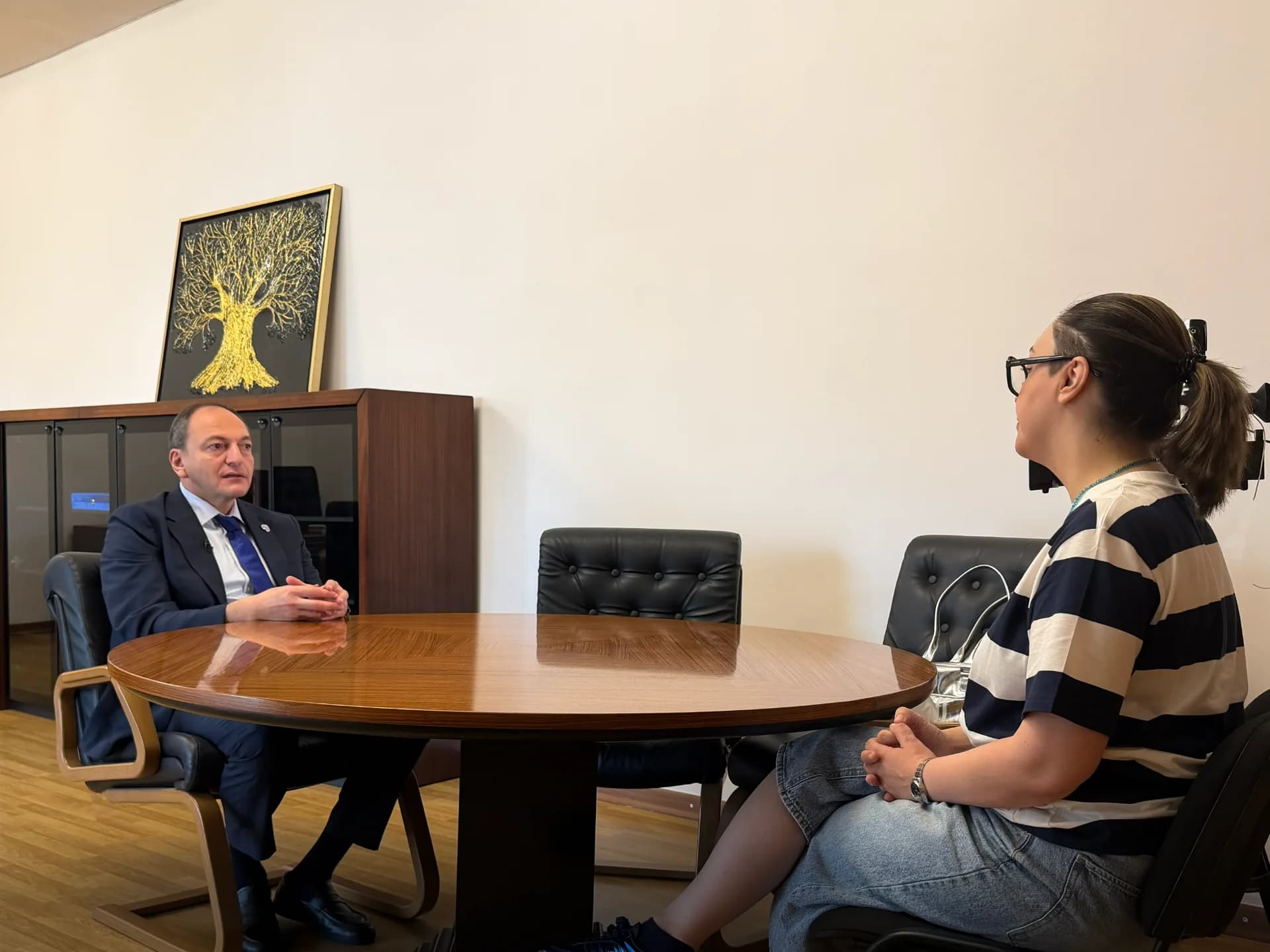
The Universal Health Insurance Fund continuously monitors and analyzes the reimbursement process for services submitted by contracted medical organizations. In an interview with Azatutyun Radio, Samvel Kharazyan, performing the duties of Acting Director General of the Fund, spoke about this issue, addressing the deviations identified through monitoring and the work being carried out to resolve them.
Kharazyan noted that financing in the primary health care sector is provided through several mechanisms. For family physicians, therapists, and other specialists providing primary health care services, a per capita financing mechanism is applied: a certain amount is allocated monthly for each person registered with a physician to cover consultations, visits when necessary, prescription of medicines, and other services. At the same time, additional reimbursement is provided for consultations delivered as part of the treatment of diseases included in the list established by a decision of the Government of the Republic of Armenia. According to Kharazyan, these diseases have been singled out also due to the importance of prevention: their proper management in outpatient settings can help prevent the need for hospital treatment. Separate financing is also provided for screening services within primary health care.
However, during the six-month monitoring and analysis conducted by the Fund, discrepancies between submitted services and reimbursements were identified in some medical organizations. Currently, the Fund does not have a mechanism for the preliminary rejection of submitted claims: claims submitted by medical organizations are automatically approved, while their compliance with the established conditions is subsequently examined as part of a retrospective analysis. According to Kharazyan, the discrepancies identified in reimbursement claims submitted by medical institutions have been discussed during a number of working meetings. Online and in-person meetings have been organized with representatives of regional medical centers, rural medical outpatient clinics, and medical organizations operating under the Yerevan Municipality. During the meetings, the Fund also presented the analytical tool it has developed, which enables medical organizations to view the identified deviations and take appropriate steps to prevent them in the future.
Addressing the settlement of the identified financial differences, Kharazyan noted that medical organizations have been given the opportunity to adjust their performance figures by the end of the year. In the case of organizations where the identified deviations are relatively large and a reduction in performance figures could cause financial difficulties, the Fund is prepared to consider the option of reducing the amounts proportionally over a longer period. According to Kharazyan, for many medical organizations, reductions in performance figures do not exceed 10 percent, which will not create a significant financial burden for medical institutions. Meetings with representatives of medical associations are planned in the near future to discuss the issues raised in greater detail and jointly consider possible solutions.
Addressing access to specialized medical services for children under the age of 18, Kharazyan noted that previously only consultations with a limited number of narrow specialists available at the local polyclinic were free of charge. Under Universal Health Insurance, however, around 45 specialized consultations and visits are now reimbursed, and with an appropriate referral, patients may seek care not only at their local polyclinic but also at any medical organization, regardless of their place of registration.
Kharazyan also clarified the quantitative limits established for specialized consultations. Under the insurance system, in the case of a disease diagnosed for the first time in a person’s life, up to two consultations with each narrow specialist are reimbursed within one year. The established number is determined in accordance with accepted treatment protocols. In the case of chronic diseases, up to four visits per year are reimbursed, while for certain diseases, the number of visits is determined by the relevant protocols based on medical necessity.
At the same time, a co-payment may apply to certain specialized consultations. Information on the amount and conditions of the co-payment can be reviewed in advance on the Fund’s website, uhif.am.