
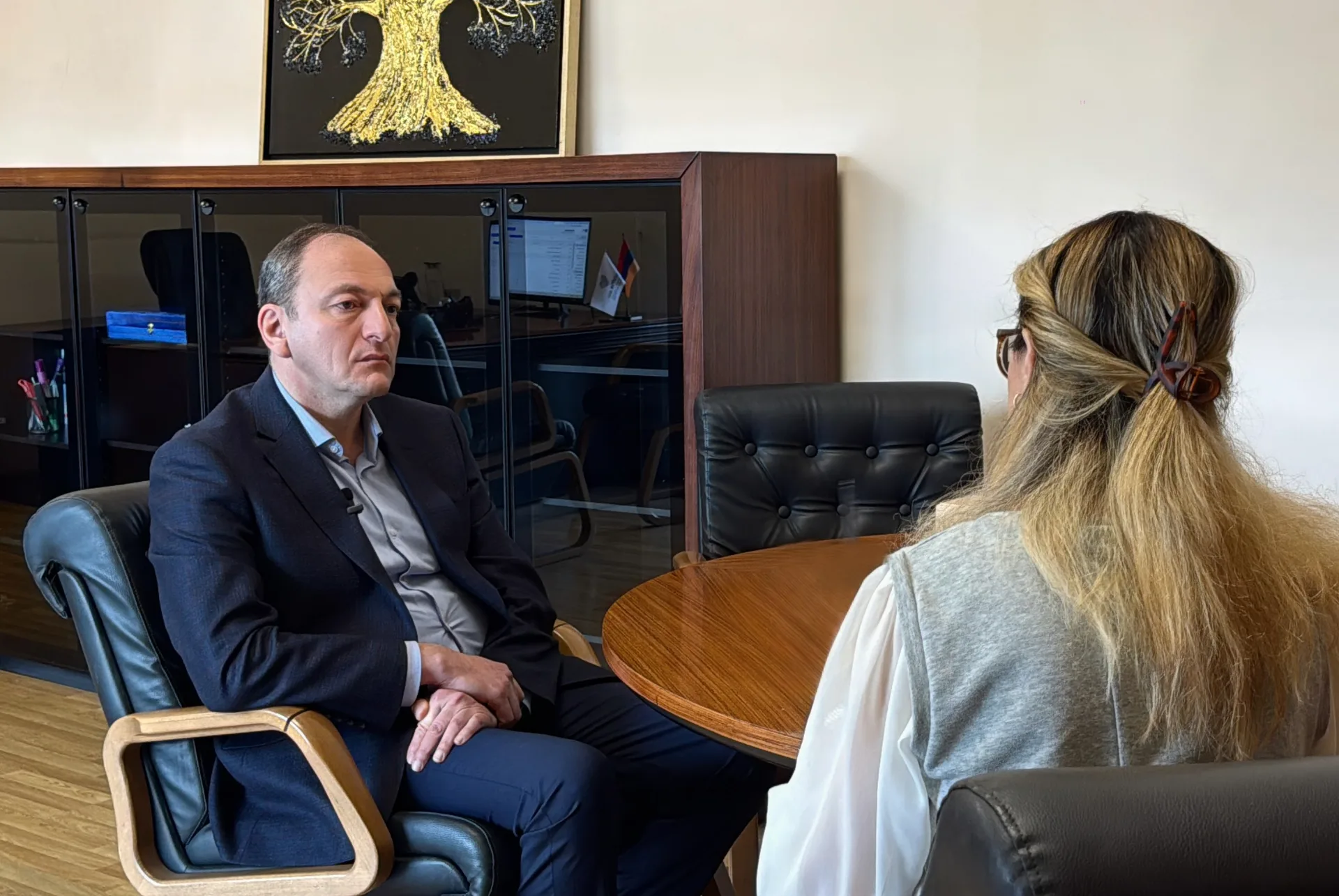
In an interview given to the “Nouvelles d’Arménie” periodical, Samvel Kharazyan presented the progress and priorities of the implementation of the Universal Health Insurance system
Acting Director of the Universal Health Insurance Foundation, Samvel Kharazyan, in an interview given to the “Nouvelles d’Arménie” periodical, presented the progress of the implementation of the Universal Health Insurance (UHI) system, its main challenges, and the results achieved to date.
According to Kharazyan, efforts toward introducing the system began as early as the period following the collapse of the Soviet Union, when newly independent states faced the need to transform their healthcare systems. Although relevant concepts and legislative frameworks had been developed over the past decades, their implementation was postponed for various reasons. It was only in December 2025, through consistent and long-term efforts, that the full implementation of the system became possible.
Kharazyan emphasized that the primary financial burden of the UHI system is borne by the state, with around 85 percent of insurance costs subsidized from the state budget. In his view, this represents a significant step toward ensuring citizens’ health protection and increasing financial security.
Addressing issues of utilization and workload, Kharazyan noted that while the burden on the healthcare system has naturally increased, it still does not exceed comparable international benchmarks. At the same time, measures are being taken to improve queue management and enhance the efficiency of service delivery.
He also highlighted the importance of continuously monitoring beneficiary satisfaction, stressing that the goal of the reform is not only to improve access to services but also to ensure their quality. To this end, active cooperation is being developed with professional associations and international organizations, alongside ongoing analysis and quality control. Training programs for healthcare facility management specialists are also planned.
According to Kharazyan, in the coming years a number of targeted reforms will be implemented, aimed at promoting preventive care, expanding screening programs, and encouraging healthy lifestyles through a bonus-based system. He added that these steps will contribute to the system’s sustainability and to the overall improvement of public health.