
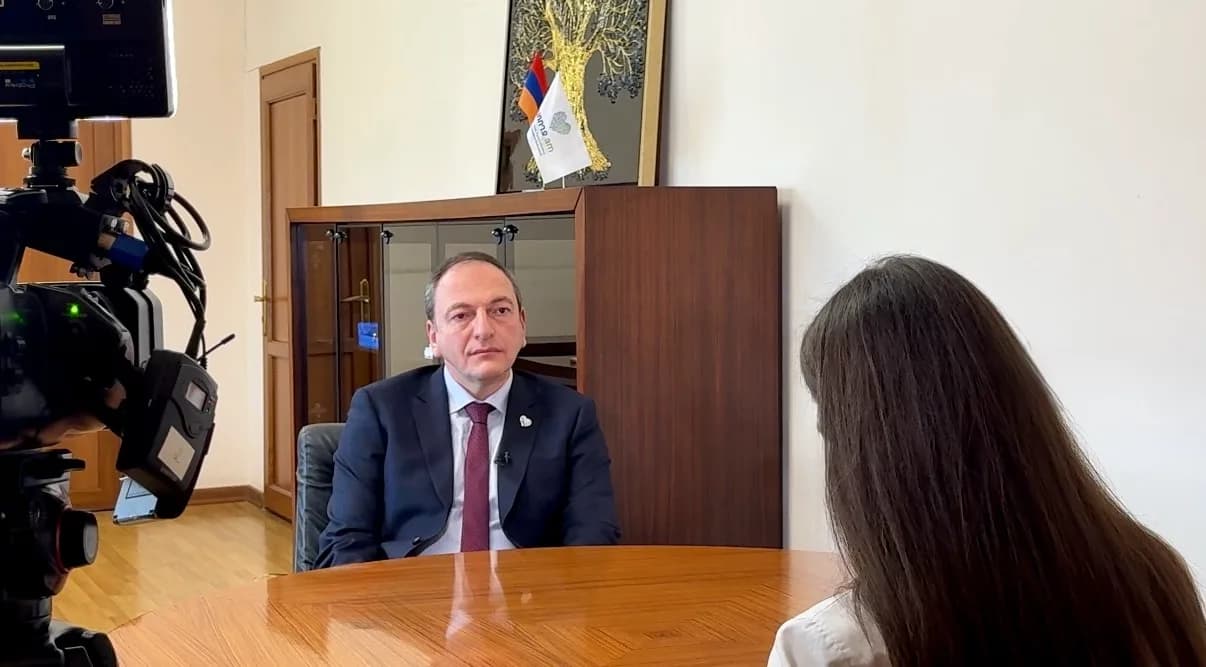
Samvel Kharazyan’s interview with Factor TV on the changes observed following the introduction of the Universal Health Insurance system
After the introduction of the Universal Health Insurance system, significant changes have been recorded in the healthcare sector—both in terms of service accessibility and system efficiency. In an interview with Factor TV, Samvel Kharazyan, Acting Chief Executive Officer of the Universal Health Insurance Foundation, explained how the launch of the system has transformed patterns of healthcare utilization and the use of medical resources.
According to Kharazyan, the culture of using medical services has changed. Previously, a free visit to a family doctor often did not lead to further examinations due to additional out-of-pocket costs. Now, however, diagnostic tests, specialist consultations, and medications are also reimbursed within the insurance package. As a result, trust in the system has increased, and the tendency toward self-medication has declined.
Statistics from the first 100 days clearly reflect these changes. In March alone, around 70,000 citizens accessed healthcare services for the first time, while more than 100,000 received medical care solely due to being insured, having not previously been beneficiaries of state support programs.
The system also preserves freedom of choice for citizens. If they wish, they can select a specific doctor and make an additional payment, thereby contributing to the development of a competitive environment.
Referring to the next phases, Kharazyan noted that the circle of beneficiaries is expected to expand, while ensuring the system’s financial sustainability and effective risk management.