
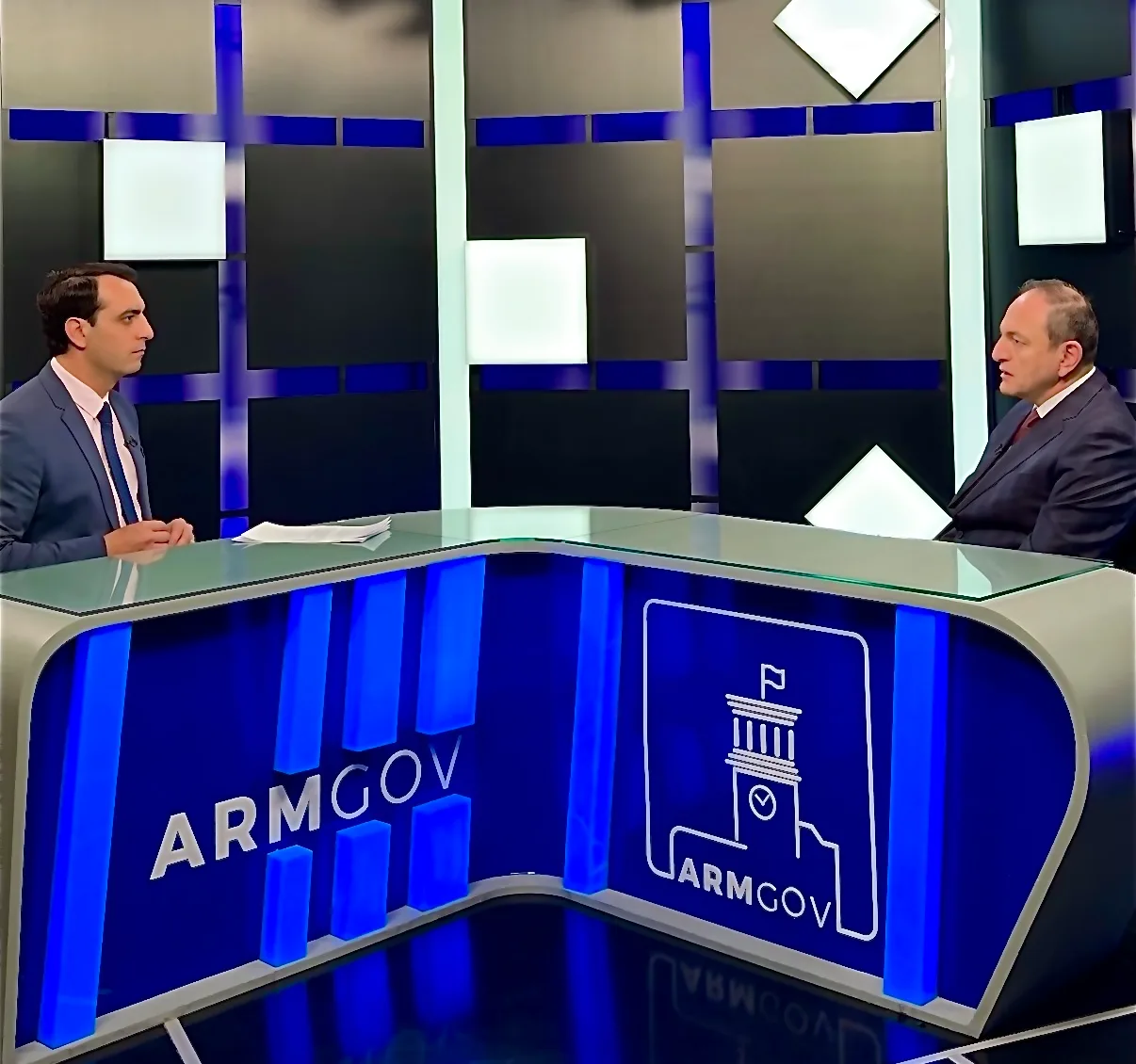
Samvel Kharazyan presented the initial results of the Universal Health Insurance system on the “Hraparakum” TV program
Samvel Kharazyan, Acting Director of the Universal Health Insurance Foundation, presented the initial results and key trends of the Universal Health Insurance system on the “Hraparakum” TV program.
Kharazyan noted that since the launch of the system, there has been a significant increase in service utilization, in line with initial projections. This is largely due to the fact that a substantial portion of the population previously had limited access to state-guaranteed healthcare services. With the introduction of the insurance system, citizens now have the opportunity to access necessary medical services in a timely manner and without a substantial financial burden.
He placed particular emphasis on the pharmaceutical component of the benefits package, highlighting unprecedented activity in this area. Specifically, the number of beneficiaries receiving medications has increased nearly fourfold. The system now almost fully covers the essential medications required for patients with cardiovascular diseases and diabetes. In addition, medications for conditions treatable in outpatient settings—including antibiotics and other necessary drugs—are also reimbursed.
Kharazyan also stressed the importance of expanding access to diagnostic services. The insurance package currently includes more than 400 types of laboratory and instrumental tests, enabling physicians to prescribe necessary examinations promptly and ensure comprehensive diagnosis.
Addressing inpatient care, Kharazyan noted that the package includes high-cost services that were previously inaccessible for many citizens. These include cardiovascular interventions, chemotherapy, and treatment for oncological conditions. According to him, approximately 7,000 cardiovascular procedures have already been reimbursed, including stenting, heart valve replacement, and coronary artery bypass surgery. On average, 100–150 coronary bypass surgeries and 800–1,000 stenting procedures are performed monthly—life-saving interventions of high value.
Speaking about existing challenges, Kharazyan pointed out that measures have already been taken to improve referral processes, service navigation, and workload distribution at the primary care level, as well as to enhance appointment scheduling systems and their integration.
At the end of the program, Kharazyan also noted that the system is expected to expand in phases. Starting from January 2027, all employed citizens will be included, along with individuals with passive income (such as rental income) and dependents of insured persons. Taxi drivers will also be incorporated into the system through a dedicated mechanism. By 2029, the goal is to ensure coverage of more than 95% of the population.